The Antarctic ice sheet is losing mass at a rate three times faster than it was just a decade ago, with satellite data revealing patterns that scientists are calling “fundamentally different” from anything recorded in modern history. Recent measurements show the West Antarctic Ice Sheet alone has lost over 150 billion tons of ice annually since 2020—enough to raise global sea levels by nearly half a millimeter each year.
What makes these findings particularly alarming is not just the accelerated pace, but the locations where the melting is occurring. Previously stable ice shelves along the Amundsen Sea coast are now showing signs of rapid retreat, while the massive Thwaites Glacier—dubbed the “Doomsday Glacier”—has begun what researchers describe as an “irreversible collapse.”
Dr. Catherine Walker from NASA’s Goddard Space Flight Center reported in December 2023 that current melting rates, if sustained, could contribute to 3-5 feet of global sea level rise by 2100. More immediately concerning: coastal flooding events that currently happen once per decade could become monthly occurrences in major cities by 2030.
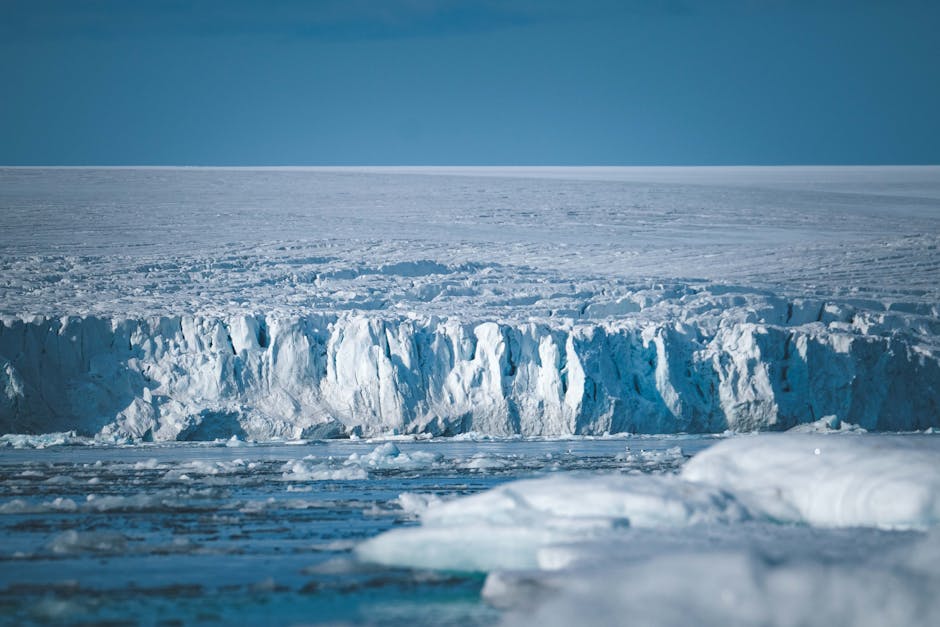
## Marine Ice Sheet Instability Accelerates Beyond Models
The West Antarctic Ice Sheet sits below sea level, making it particularly vulnerable to what scientists call marine ice sheet instability. As warmer ocean water flows beneath ice shelves, it melts them from below, allowing glaciers to flow faster toward the sea. This process has accelerated dramatically since 2019.
The Pine Island Glacier, once considered relatively stable, has retreated 12 miles inland since 2020. Satellite imagery from the European Space Agency’s Sentinel missions shows the glacier’s grounding line—where ice meets bedrock—moving backward at an unprecedented rate of 800 meters per year. At this pace, the glacier will lose contact with a major underwater ridge by 2027, potentially triggering rapid acceleration in ice loss.
### Thwaites Glacier: The Tipping Point
Thwaites Glacier presents the most immediate threat. This Florida-sized ice mass currently holds back enough ice to raise global sea levels by 24 inches. British Antarctic Survey researchers discovered in 2023 that warm water is infiltrating beneath the glacier through a network of channels, melting it from within.
The glacier’s ice shelf has developed massive cracks, with the largest measuring over 50 miles long and widening by approximately 2 miles annually. Computer models from the University of Washington suggest complete collapse of the Thwaites ice shelf could occur between 2028 and 2032, unleashing the full force of the glacier behind it.
### Eastern Antarctica: The Unexpected Player
While attention has focused on West Antarctica, new data reveals concerning changes in East Antarctica—previously thought to be more stable due to its higher elevation. The Totten Glacier in East Antarctica has begun retreating faster than expected, losing ice at a rate of 7 billion tons per year since 2022.
Research published in Nature Climate Change shows that if current trends continue, East Antarctica could contribute an additional 1-3 feet of sea level rise by 2100, doubling previous estimates for the continent’s total contribution.
## Immediate Impacts on Global Coastal Cities
Rising sea levels don’t affect all coastlines equally. Gravitational effects mean that melting Antarctic ice causes higher sea level rise in the Northern Hemisphere, particularly affecting major population centers.
Miami faces some of the most severe immediate impacts. The city already experiences “sunny day flooding” during high tides, and projections based on current Antarctic melting rates suggest permanent inundation of Miami Beach and downtown areas below 3 feet elevation by 2035. The Miami-Dade Climate Action Plan estimates $15 billion in infrastructure damage by 2030 if current trends continue.
### European Coastal Vulnerabilities
Netherlands authorities have accelerated their Delta Works expansion, with €2.8 billion allocated specifically for Antarctic ice melt scenarios. The Dutch government’s 2024 analysis shows that current melting patterns could overwhelm existing flood defenses along the North Sea coast by 2032.
London’s Thames Barrier, designed to handle sea levels through 2070, may require major upgrades by 2030. The UK Environment Agency estimates that Antarctic contribution to sea level rise around Britain could reach 8-12 inches by 2040—double what the Thames Barrier was designed to handle.
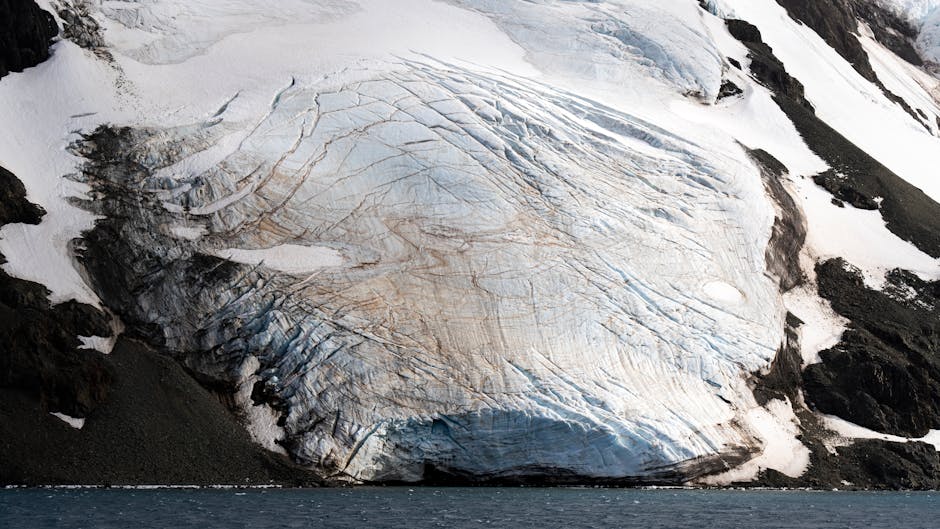
## Asian Megacities Face Existential Threats
Asian coastal cities house over 600 million people in areas vulnerable to Antarctic ice melt. Jakarta, already sinking due to groundwater extraction, faces compound threats from rising seas. Indonesian authorities project that without massive intervention, 40% of Jakarta could be underwater by 2050.
Shanghai has begun construction of a $14 billion sea wall system designed specifically to handle Antarctic melt scenarios. The project, scheduled for completion by 2028, will create a 70-mile barrier protecting the city’s financial district and 24 million residents.
### Pacific Island Nations: First Casualties
Tuvalu and Kiribati face complete submersion within two decades if current Antarctic melting continues. Tuvalu’s government has already begun relocating its population, with New Zealand agreeing to accept climate refugees under a 2023 agreement. The Marshall Islands, home to 59,000 people, has initiated legal proceedings at the International Court of Justice, arguing that major emitting nations bear responsibility for Antarctic ice loss.
## Economic and Infrastructure Implications
The economic costs of Antarctic ice melt extend far beyond flood damage. Global shipping routes will require rerouting as sea levels change ocean currents and create new hazards. The Port of Rotterdam, Europe’s largest, is investing €3.2 billion in facility upgrades to handle changing sea levels and weather patterns.
Insurance companies have begun pricing Antarctic risk into coastal property premiums. Lloyd’s of London estimates that property values in vulnerable coastal areas could decline by 20-30% before 2030 as Antarctic melting accelerates. Swiss Re has already increased flood insurance premiums by an average of 15% in high-risk coastal zones.
### Agricultural Impacts
Rising seas threaten agricultural regions worldwide. California’s Central Valley faces saltwater intrusion from San Francisco Bay as sea levels rise, potentially affecting 40% of America’s vegetable production. Bangladesh’s rice-growing delta regions could lose 17% of agricultural land by 2035 based on current Antarctic melting projections.
The global food system faces disruption as climate patterns change. Antarctic ice melt alters ocean circulation, affecting monsoons that billions depend on for agriculture. India’s meteorological department warns that changing circulation patterns could reduce monsoon reliability by 2028.
## Conclusion: Urgent Action Required
Antarctica’s accelerating ice loss represents a climate emergency requiring immediate global response. Current melting patterns suggest that even aggressive emissions reductions may not prevent significant sea level rise by 2030. Coastal cities must begin adaptation measures now, while international cooperation becomes essential for managing climate refugees and economic disruption.
The window for preventing catastrophic impacts is closing rapidly. Governments and individuals must prepare for a future where Antarctic ice loss reshapes global coastlines within this decade, not by century’s end as previously projected.